

My Proprioception, My Plants

Personal medical research · June 2026
100-source synthesis · Delaware / DMV / Philly · Medicare + Highmark Medigap
A
Black-eyed Susan — Rudbeckia hirta — Walcott, North American Wild Flowers, 1925
Black-eyed Susan · Rudbeckia hirta
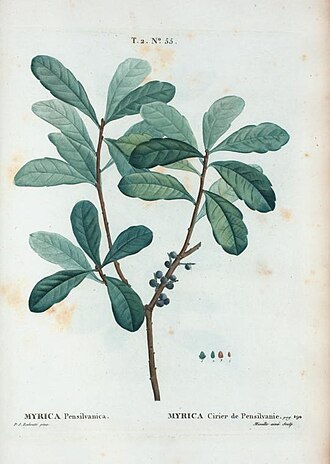
Bayberry — Morella pensylvanica — Redouté, Traité des arbres
Bayberry · Morella pensylvanica
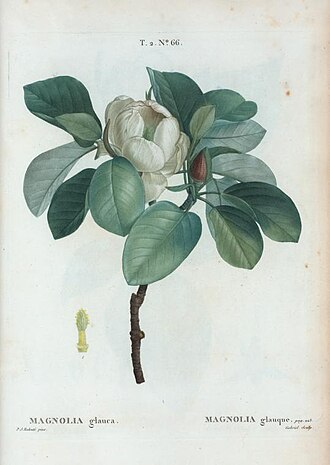
Sweetbay Magnolia — Magnolia virginiana — Redouté, Traité des arbres
Sweetbay Magnolia · Magnolia virginiana
Cardinal Flower — Lobelia cardinalis — Curtis's Botanical Magazine, 1795
Cardinal Flower · Lobelia cardinalis
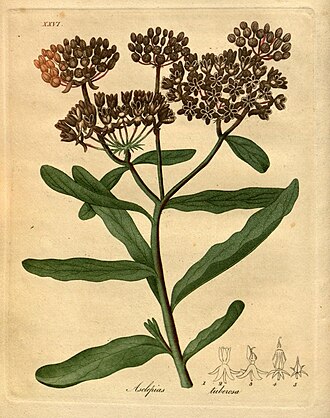
Butterfly Weed — Asclepias tuberosa — Bigelow, American Medical Botany, 1818
Butterfly Weed · Asclepias tuberosa
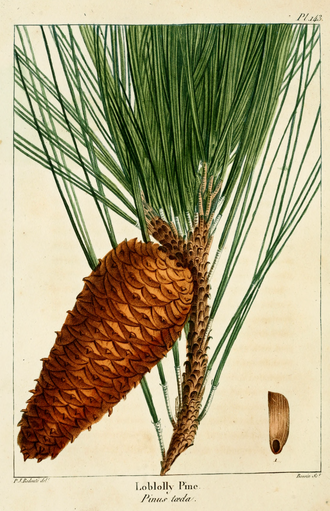
Loblolly Pine — Pinus taeda — Michaux, North American Sylva, 1819
Loblolly Pine · Pinus taeda
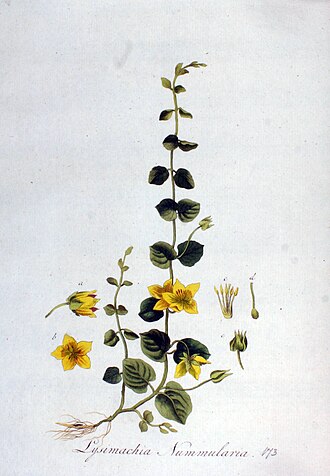
Creeping Jenny — Lysimachia nummularia — Sepp, Flora Batava, 1814
Creeping Jenny · Lysimachia nummularia

Native plants of Sussex County, DE · All illustrations public domain · Walcott (North American Wild Flowers, Smithsonian 1925); Redouté (Traité des arbres); Curtis / Edwards (Botanical Magazine, 1787–1804); Bigelow (American Medical Botany, 1818); Michaux (North American Sylva, 1819); Köhler (Medizinal-Pflanzen, 1887); Britton & Brown (Illustrated Flora, 1913); Sprague; Sepp (Flora Batava, 1814) · Wikimedia Commons · Mt. Cuba Center · Longwood Gardens · UD Extension · DE Inland Bays · DE Nature Society

The Core Pattern
What's happening — plain language

For 1–2 years, something has been shifting in how my brain tracks where my body is in space. The medical word is proprioception — the inner sense of body position. When it's off, you don't feel dizzy. You misjudge distances and collide with things.

The pattern Pinching fingers in drawers. Bumping shoulders on doorframes. Hitting my head getting into the car. Reaching past the ceiling fan. Ramming my leg into the bed. The experience is pain on contact — not dizziness, not falling.
"Proprioception is a sensorimotor sense that our body relies on for safe and purposeful movements." — PLOS ONE, 2024

This pattern is new. I've had cochlear implants for years with no such problem. Something changed in the last 1–2 years — the implants are not the cause of the new onset.

Why stress makes it worse

When I'm cooking for guests or managing a lot of plans, the misjudging gets worse. This is not psychological — it has a specific neurological explanation called Dual-Task Interference.

Multiple Resource Theory Cognitive tasks and proprioceptive processing compete for the same limited neural resources. When the brain is managing high-demand tasks, the proprioceptive channel gets less bandwidth — and collisions result.
"Dual-tasking reduces motor performance through the slowing down of proprioceptive information processing." — PLOS ONE, 2024
"The greater the attentional demands of a task, the poorer the proprioception accuracy of our movements." — PLOS ONE, 2024

Being deaf and using cochlear implants means my brain already works harder than most people's to interpret sound and orient in space. That raises my baseline load. Add hosting and planning — the system reaches its ceiling.
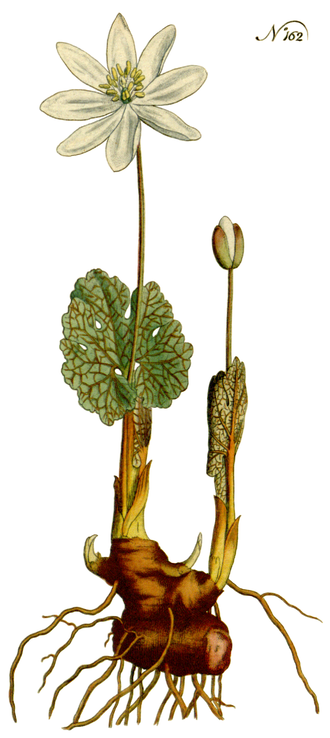
Bloodroot — Curtis's Botanical Magazine, c.1791
Bloodroot
Sanguinaria canadensis
Curtis c.1791 · DE Nature Society
Possible Diagnoses — Ranked by Fit
#1 SCA 4 — Sensory Ataxic Neuropathy
Why it fits best SCA 4 is a "non-vestibular" sensory ataxia — proprioceptive errors without primary dizziness. Onset typically over 40. Brain MRI is often entirely normal in early and mid-stage disease because the damage is in peripheral nerves, not the brain itself — and MRI cannot image peripheral nerves or dorsal root ganglia directly. (Note: MRI is not an option due to cochlear implants, but the point is that even an MRI would likely show nothing at this stage.)
"SCA4: Sensory loss; Later onset > 40." — Neuromuscular Home Page (Washington University academic reference)
"A normal brain MRI does not rule out genetic ataxias... localized atrophy may be missed early on." — Neuromuscular Home Page
Joe-Pye Weed — Mary Vaux Walcott, Smithsonian, 1925
Joe-Pye Weed
Eupatorium purpureum
Walcott 1925 · DE Inland Bays
#2 ADCADN — Ataxia, Deafness & Narcolepsy (DNMT1 gene)
Why it's worth checking This autosomal dominant condition links pre-existing sensorineural deafness with sensory neuropathy and ataxia. My deafness may not be background — it could be the first sign of a three-part syndrome. This is called a "diagnostic shadow."
"DNMT1 gene mutations that cause ADCADN affect a region... that helps target the methylation process." — MedlinePlus Genetics (NIH)
#3–5 SCA 6, SCA 1/2/3, SCA 25/38
  • SCA 6 — Pure cerebellar, common in older adults, slow progression. Screened on the standard panel.
  • SCA 2 — Includes polyneuropathy, slow eye movements, reduced tendon reflexes. Specifically associated with sensory involvement.
  • SCA 3 — Most prevalent; prominent polyneuropathy. Usually also includes parkinsonism not yet observed here.
  • SCA 25 / SCA 38 — Both include documented sensory neuropathy with vibration and position sense loss — the exact proprioceptive deficit described here.
"Dominant SCA syndromes have many overlapping signs: Difficult to distinguish on clinical grounds." — Neuromuscular Home Page
Also check first: B12, copper, thyroid (easy blood tests)

Nutritional deficiencies can cause fully treatable proprioceptive neuropathy. These should happen at the very first visit — cheap, fast, rules out a fixable cause before genetic testing begins.
B12 deficiency → posterior column damage B12 deficiency damages the spinal cord's proprioceptive pathway. This causes position-sense loss, sensory ataxia, and collision-type errors — often with a normal brain MRI.
"The Cupric Culprit: A Case of Copper Deficiency Myelopathy — mimics B12 deficiency with proprioceptive loss." — OHSU Case Report
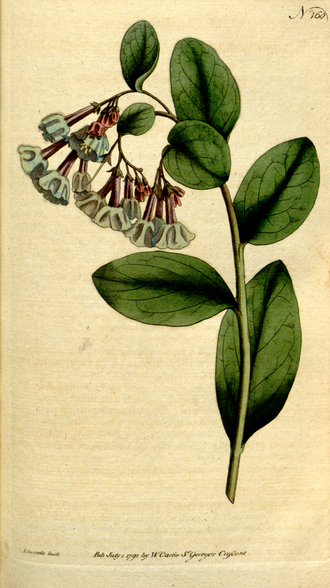
Virginia Bluebells — Curtis's Botanical Magazine, 1792
Virginia Bluebells
Mertensia virginica
Curtis 1792 · Mt. Cuba
Family history — why it matters

Mother had dizzy spells. Son has dizzy spells. I misjudge distances and hit things — pain from contact, not dizziness. Three generations, different presentations of possibly the same gene.

Autosomal dominant with anticipation In many hereditary ataxias, a mutated gene only needs to come from one parent. But in each generation the number of genetic repeats can expand — this is called anticipation. Longer repeats → symptoms appear earlier or differently in younger generations.
"Anticipation: Younger onset and more severe phenotype... more common and greater with paternal inheritance." — Neuromuscular Home Page

This may explain why mother had "dizzy spells," son has "dizzy spells," and I experience proprioceptive pain on collision — the same underlying gene presenting differently across three generations.

Each child has a 50% chance of carrying the same variant. Genetic counseling is recommended for the family.

Blue Wild Indigo — Curtis's Botanical Magazine, c.1800
Blue Wild Indigo
Baptisia australis
Curtis c.1800 · Mt. Cuba
Brain imaging — why MRI is unavailable, and what that means
MRI is contraindicated Cochlear implants are generally incompatible with MRI scanners. A CT scan was done instead. CT is useful for ruling out gross structural problems — tumors, hemorrhage, major strokes — but it is significantly less sensitive than MRI for the subtle findings relevant to ataxia workup (early cerebellar atrophy, white matter changes, posterior fossa detail).
What a CT scan can rule out Brain tumors · Major hemorrhage · Large strokes · Gross structural abnormalities
What CT cannot reliably detect Early cerebellar atrophy · Posterior fossa detail · White matter changes · Peripheral nerve or dorsal root ganglia damage (invisible on any brain scan)
"Incidental MRI findings in patients with audiovestibular symptoms are rare and rarely change management. The majority of patients presenting with vestibular and proprioceptive symptoms will have a normal or near-normal brain MRI — this is the expected finding, not an absence of pathology." PMC / NIH — Incidental findings on MRI in audiovestibular patients
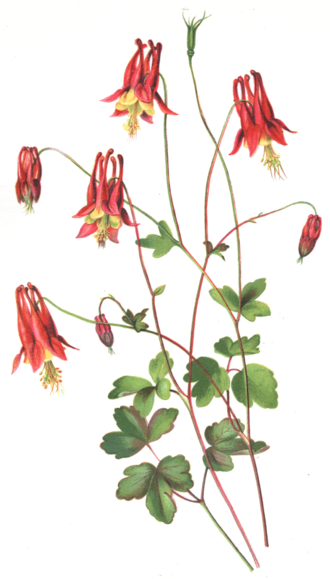
Wild Columbine — Isaac Sprague, 19th century
Wild Columbine
Aquilegia canadensis
Sprague · Mt. Cuba

The research finding above applies here in an important way: even in patients who can have MRI, brain imaging rarely changes management for this presentation. The conditions that best fit — SCA 4, SCA 25, B12/copper neuropathy — are known for normal-appearing brain scans. NCV, SSEP, blood work, and genetic testing are the diagnostic tools that actually matter.

Cancer treatment history & neurological links
Two separate threads worth tracking Breast cancer and its treatment can cause neurological symptoms that look identical to hereditary ataxia. Ruling these out — or confirming they coexist — requires a specific antibody panel and a careful timeline comparison with chemotherapy dates.

1. Paraneoplastic cerebellar degeneration (PCD)

Rojas I et al. "Long-term clinical outcome of paraneoplastic cerebellar degeneration and anti-Yo antibodies." Neurology 2000;55:713–715. PMID 11003604 "PCD antedated the diagnosis of the tumor in 19 of 30 patients (63%) by a median of 5 months — the neurological symptoms came first, and the breast cancer was found afterward. Most patients cannot walk independently within three months of symptom onset. The only reliable diagnostic markers are positive anti-Yo antibodies and PET-CT showing cerebellar hypermetabolism or an occult tumor." Why it matters: if symptoms began around the time of breast cancer diagnosis or treatment, paraneoplastic workup (anti-Yo, anti-Hu, anti-Ri panel) should be on the table — regardless of how much time has passed.

2. Chemotherapy-induced peripheral neuropathy (CIPN) — taxanes

Radmard S et al. "Evaluation of Cerebellar Ataxic Patients." Neurologic Clinics 2023;41(1):21–44. PMC 2023. PMID 36442999 "Sensory ataxia results from loss of proprioceptive input. Loss of visual input by closing the eyes worsens sensory ataxia, whereas it has only minor effects on cerebellar ataxia. Thus, in sensory ataxia, imbalance occurs more at nighttime when it is dark or with the eyes closed — this is a positive Romberg sign, and is the hallmark of taxane-induced peripheral neuropathy." Why it matters: paclitaxel (Taxol) is commonly used in breast cancer treatment and is a known cause of persistent sensory neuropathy affecting proprioception. Symptoms can remain or worsen after chemo ends. Ask: were there taxanes in the chemotherapy regimen? When did coordination symptoms first appear relative to treatment?

3. How to distinguish PCD vs. CIPN vs. hereditary SCA clinically

Radmard S et al. Neurologic Clinics 2023. PMID 36442999 "PCD is subacute (weeks to months) and aggressive. CIPN follows chemotherapy timing and produces sensory ataxia with a positive Romberg sign. Hereditary SCA is chronic (years), slowly progressive, and confirmed only by genetic panel. All three can appear normal on brain MRI. The distinguishing tests are: onconeural antibodies (PCD), NCV showing distal sensory loss (CIPN), and repeat expansion genetic panel (hereditary SCA)."
Timeline question to bring to the neurologist When exactly did coordination symptoms begin — before breast cancer diagnosis, during chemotherapy, or after treatment ended? The answer shifts the differential significantly. A specific chemo regimen history (especially whether taxanes were used) should be in the neurology referral notes.
First — same-day blood draw at any visit
Blood work to request
Cost with Medicare + Medigap (Plan G) Clinical diagnostic lab tests are covered at 100% by Medicare Part B — no coinsurance, no deductible. Out-of-pocket cost: $0 when ordered by your doctor and performed at a Medicare-certified lab (Quest, LabCorp, hospital labs all qualify).
  • Vitamin B12 + methylmalonic acid + homocysteine
    MMA and homocysteine catch deficiency even when serum B12 looks normal.
    $0 Medicare lab benefit
  • Copper and ceruloplasmin
    Copper deficiency causes a myelopathy identical to B12 deficiency. Often missed.
    $0 Medicare lab benefit
  • Thyroid panel — TSH + free T4
    Hypothyroidism can cause peripheral neuropathy and proprioceptive changes.
    $0 Medicare lab benefit
  • Folate
    $0 Medicare lab benefit
  • CBC + comprehensive metabolic panel
    Baseline — anemia, kidney/liver function, glucose.
    $0 Medicare lab benefit
Wild Bergamot — Curtis's Botanical Magazine, c.1791
Wild Bergamot
Monarda fistulosa
Curtis c.1791 · UD Extension
Neurophysiology — specialist order
EMG + Nerve Conduction Velocity (NCV)
~$0 with Medicare + Medigap Ask if doctor "accepts assignment"

Medicare covers EMG/NCV when medically necessary. Medicare pays 80% of the approved amount; Medigap Plan G pays the remaining 20%. The Medicare-approved rate for a full sensory NCV study is roughly $150–$350 — your cost after Medigap is $0 (after the ~$257 annual Part B deductible is met).

What to ask the neurologist "I can't have an MRI due to my cochlear implants, and a CT scan doesn't show peripheral nerve damage. Could we do an NCV study to check for sensory axonal neuropathy — that's the most direct way to test the peripheral pathway with available tools?"
  • Positive result — Sensory axonal neuropathy confirmed. Peripheral nerve damage is driving the proprioceptive errors. Points to SCA 4, SCA 25, or nutritional neuropathy.
  • Negative result — Problem is central (brain/spinal cord), not peripheral nerves. Points toward cerebellar causes.
"Clinical Assessment of the Sensory Ataxias — the key distinction is central vs. peripheral involvement, testable with NCV and SSEP." — Practical Neurology / Ovid
Purple Coneflower — Curtis's Botanical Magazine, 1787
Purple Coneflower
Echinacea purpurea
Curtis 1787 · Mt. Cuba
Somatosensory Evoked Potentials (SSEP)
~$0 with Medicare + Medigap

Covered under Medicare Part B when ordered with appropriate clinical indication. Medicare-approved rate ~$100–$200; Medigap covers the 20% coinsurance.

Abnormal SSEP = peripheral or spinal involvement, not brain. This is especially important here because MRI — which would otherwise help localize — is not an option. SSEP does that localization work instead.
"Somatosensory evoked potentials in clinical practice: a review" — SciELO (peer-reviewed medical journal)
Posturography / balance assessment
Medicare covers — may need prior auth ~$200–$500 if denied

CPT 92548 (computerized dynamic posturography). Medicare may cover under vestibular testing benefits — coverage depends on the clinical indication documented. Ask the ordering neurologist to submit prior authorization if needed. If not covered, many ataxia centers include it in the initial evaluation bundle.

Especially informative for cochlear implant users — can show whether the proprioceptive channel is compensating more than expected, and how much.
"Interaction of sensory processing and balance in adult cochlear implant users" — PMC / NIH, peer-reviewed
Genetic testing — specialist order
Multigene SCA panel
~$0 if Medicare approves Prior auth usually required $300–$1,500 if denied

Medicare Part B covers molecular genetic tests when medically necessary. The neurologist must document the clinical indication with specific ICD-10 codes (e.g., G11.1 hereditary ataxia). Always ask the ordering physician to submit a prior authorization request before the blood is drawn.

If Medicare denies or delays — patient assistance options Invitae (invitae.com) offers many multigene ataxia panels at $100–$250 flat fee regardless of insurance. GeneDx and Ambry Genetics have financial hardship programs. Ask the genetic counselor which lab is most likely to be covered and has a patient assistance program as backup.
What to ask "Given the family history of dizzy spells and my proprioceptive symptoms, can we check for anticipation in the CAG repeat lengths on a multigene SCA panel?"

Recommended sequence: Movement Disorder Consult → EMG/NCV → Multigene SCA Panel → DNMT1 sequencing (if SCA panel is negative)

DNMT1 sequencing
~$0 if Medicare approves Prior auth required $200–$500 if denied

Targets the specific gene behind ADCADN — deafness + ataxia + narcolepsy triad. Done only if the standard SCA panel is negative. Same Medicare prior authorization process applies.

Why this matters specifically for me Pre-existing sensorineural deafness may be the first sign of this triad, not just separate background history. A clinician needs to be prompted — the deafness is too easily attributed to other causes.
Genetic counseling
~$0 with Medicare + Medigap

Medicare covers genetic counseling visits (CPT 96040) billed by a licensed genetic counselor or physician. Medicare pays 80%; Medigap pays the 20%. Penn Ataxia Clinic has an on-site CGC (Rachel A. Paul, MS CGC). Hopkins also has genetic counselors embedded in the ataxia team.
Ask at the first neurology appointment: "Should I see a genetic counselor before or alongside the genetic testing?"
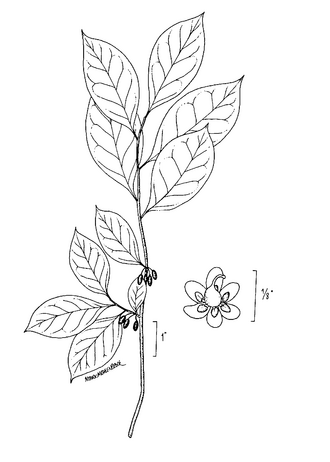
Spicebush — Britton & Brown Illustrated Flora, 1913
Spicebush
Lindera benzoin
Britton & Brown 1913 · Mt. Cuba
What visits cost with Medicare + Medigap Plan G
  • Annual Part B deductible: ~$257 (2026) — paid once per year, then Medigap kicks in
  • Specialist consultation (new patient): Medicare approves ~$250–$400; Medigap pays the 20% coinsurance → ~$0 out of pocket
  • Follow-up visits: ~$0 after deductible is met
  • Important: Always confirm the doctor "accepts Medicare assignment" — meaning they agree not to charge more than the Medicare-approved rate. Hopkins and Penn both accept assignment. If a doctor charges excess, Plan G does NOT cover it (Plan F does).
  • Travel: Not covered by Medicare. Mileage to Hopkins (~90 min) or Penn (~2 hrs from Bethany Beach) is your cost.
Scheduling without a phone call All of these systems have online scheduling or secure patient portal messaging — use those first. Phone numbers are listed for relay or family use only.
  • Online scheduling / patient portal — listed for each center below
  • Video Relay Service (VRS) — sign via your phone camera; a relay interpreter speaks to the office. Works with Sorenson, Purple, ZVRS and others. No TTY hardware needed.
  • IP Relay (711) — type your message on any device; relay operator reads it aloud to the office. Dial 711 from any phone or use a relay app.
  • Secure message / MyChart — Penn Medicine and Hopkins both use MyChart. Send a message to the ataxia team directly once you have a portal account.
  • Ask someone to call for you — family member, social worker, or advocate.
Medicare + Highmark Medigap = no network restrictions A Medigap supplement plan pays after Medicare — you can see any doctor nationwide who accepts Medicare. Johns Hopkins, Penn Medicine, and Jefferson Health all accept Medicare.

Before scheduling: confirm "Do you accept Original Medicare?" (not Medicare Advantage). The answer at Hopkins, Penn, and Jefferson is yes.

Delaware Medicare Assistance Bureau (DMAB) Free, unbiased Medicare counseling for Delaware residents. DMAB counselors can help compare supplement plans, review bills, and explain coverage before specialist visits. No cost, no sales pitch.
dhss.delaware.gov → DMAB · (800) 336-9500
Getting to Philadelphia or Baltimore from Bethany Beach Penn Ataxia Clinic is ~2 hrs by car (I-95 north through Wilmington). Amtrak: Wilmington to Philadelphia 30 min, then local transit to Pennsylvania Hospital. Hopkins is ~90 min by car via US-50 west. Both are reasonable day trips; both accept Original Medicare with no prior authorization for a specialist new-patient visit.
Mountain Laurel — Mary Vaux Walcott, Smithsonian, 1925
Mountain Laurel
Kalmia latifolia
Walcott 1925 · Mt. Cuba · Longwood
Specialty ataxia centers
Hereditary ataxia · Top pick for genetic diagnosis
Johns Hopkins Ataxia Center
Accepts Medicare ~90 min from Wilmington Genetic counselor on team
MyChart secure message: mychart.hopkinsmedicine.org
Phone (relay / VRS / family use): (410) 955-9441
601 N. Caroline St, 5th Floor · Baltimore, MD 21287
Physicians: Dr. Liana S. Rosenthal MD PhD · Dr. Ankur A. Butala MD · Dr. Ashley M. Paul MD · Dr. Emile S. Moukheiber MD · Dr. Kelly Mills MD MHS (Movement Disorders Director) · Dr. Daniel R. Gold DO (Neuro-Visual & Vestibular) · Dr. Kristin W. Baranano MD PhD (Neurogenetics)
Multidisciplinary ataxia · Closest specialty option
Penn Ataxia Clinic
Accepts Medicare ~45 min from Wilmington On-site genetic counselor
MyChart secure message: mychart.pennmedicine.org
Phone (relay / VRS / family use): 215-829-7775
Penn Neurological Institute, Pennsylvania Hospital · S. 9th St & Pine St · Philadelphia, PA
Dr. Ali G. Hamedani MD MHS — Director · Dr. Lauren Hammer MD PhD — Movement disorders · Rachel A. Paul MS CGC — Genetic Counselor · Gavin Villacorta MSN CRNP — Nurse Practitioner · Also: OT, PT, speech-language pathologist, social worker.
Movement disorders with ataxia specialty
Movement disorders · Ataxia research faculty · Philadelphia
Jefferson Health — Dr. Jeffrey Ratliff MD FAAN
Confirm Medicare before scheduling ~50 min from Wilmington
Co-Director, Movement Disorder Fellowship. Published research on hereditary ataxias. Jefferson accepts BCBS — confirm Medicare via the online form or patient portal before scheduling.
Delaware — local options for initial workup
General neurology · Delaware · Medicare + Highmark confirmed
ChristianaCare Neurology
Accepts Medicare Accepts BCBS / Highmark Closest option
200 Hygeia Drive, Newark, DE
Neurologists (Medicare + Blue Cross confirmed):
Dr. Alison L. Potter DO · Dr. Jessica C. Bradley MD · Dr. John Townsend MD · Dr. Joseph S. Handler MD
Best use: initial blood work, NCV/EMG, then refer to Hopkins or Penn for specialty evaluation.
General neurology · Delaware · Medicare + Highmark confirmed
Delaware Neurosurgical Group
Accepts Medicare Accepts Highmark BCBS
774 Christiana Rd, Suite 202, Newark DE 19713 · Relay/VRS: (302) 366-7549 · Good for initial consult and NCV referral. Not a specialty ataxia center.
Find more
Nationwide ataxia clinic directory
National Ataxia Foundation
Lists all affiliated ataxia centers with contact info. Both Hopkins and Penn are listed. Includes support groups.
Maps
Johns Hopkins Ataxia Center
~90 min from Wilmington · relay/VRS: (410) 955-9441
601 N. Caroline St, 5th Floor, Baltimore MD 21287
Penn Ataxia Clinic
~45 min from Wilmington · relay/VRS: 215-829-7775
Pennsylvania Hospital, S. 9th St & Pine St, Philadelphia PA
ChristianaCare Neurology
Accepts Medicare + Highmark · Newark, DE
200 Hygeia Drive, Newark, DE 19702
Gardens, parks & farmstands
Sussex County & nearby — on a good day

Places where many of the plants in this app grow wild or are cultivated. Short walks, flat terrain, coastal light.

Sussex County
Delaware Botanic Gardens
Dagsboro, DE · ~20 min from Bethany · free/low-cost admission
Pepper Creek Rd, Dagsboro DE 19939 · delawarebotanicgardens.org
Native and coastal plains plants, pollinator meadows, woodland paths. Opened 2019. Most of the Sussex County species in this app grow here.
Trap Pond State Park
Laurel, DE · ~35 min from Bethany · flat boardwalk trail
33587 Bald Cypress Ln, Laurel DE 19956
Northernmost natural stand of baldcypress in the US. Swamp rose mallow, cardinal flower, Joe-Pye weed along the water. Kayak rentals in season.
Cape Henlopen State Park
Lewes, DE · ~15 min from Bethany
15099 Cape Henlopen Dr, Lewes DE 19958
Bayberry, seaside goldenrod, loblolly pine, dune grasses. The coastal plant community from the botanical illustrations, in place. Good flat walking on the beach and the pine grove trail.
Prime Hook National Wildlife Refuge
Milton, DE · ~30 min from Bethany
11978 Turkle Pond Rd, Milton DE 19968
Tidal marsh, freshwater impoundments, swamp edges. Swamp rose mallow in late summer. Quiet — good low-crowd walking. No admission fee.
Eastern Shore Maryland (under an hour)
Adkins Arboretum
Ridgely, MD · ~50 min · native plants of the Chesapeake coastal plain
12610 Eveland Rd, Ridgely MD 21660 · adkinsarboretum.org
400+ acres of Eastern Shore native woodland, meadow, and wetland. Quiet, low-key, genuinely good plant labeling. Well worth a morning.
Further out — worth the trip
Mount Cuba Center
Hockessin, DE · ~2 hrs · Piedmont native plants
3120 Barley Mill Rd, Hockessin DE 19707 · mountcubacenter.org
One of the best native plant gardens in the mid-Atlantic. Spring wildflower season (April–May) is peak. Timed entry, no large crowds. Excellent if combining with a Wilmington medical appointment.
Longwood Gardens
Kennett Square, PA · ~2 hrs · timed admission required
1001 Longwood Rd, Kennett Square PA 19348 · longwoodgardens.org
World-class conservatory and outdoor gardens. Heated indoor pavilions in winter. Seasonal — check ahead. Pairable with a Penn appointment in Philadelphia.
Farms & farmstands — Sussex County

Seasonal. Most stands open May–October; some run year-round with roots and storage crops. The Route 1 corridor and inland roads through Lewes, Milton, and Millsboro have the highest concentration.


Lewes Farmers Market
Lewes, DE · seasonal Saturdays · outdoors
Gills Neck Rd, Lewes DE (Lowe's parking lot area) · check lewesfarmersmarket.com for current season
Local produce, cut flowers, native plants for sale in season. Short walk from the Lewes waterfront.
Route 1 & inland Sussex farm stands
Milton · Harbeson · Long Neck · Millsboro
Roadside stands selling Silver Queen corn, tomatoes, peaches, peppers, and field-grown flowers appear late June and run through October. No website — look for hand-lettered signs. The stretch between Milton and Harbeson on DE-16 has several reliable ones.
Fifer Orchards
Camden-Wyoming, DE · ~50 min · Kent County
561 Thompson Rd, Camden Wyoming DE 19934 · fiferfarms.com
Well-known multi-generation farm. Farm market and U-pick in season. Worth pairing with a Dover or Wilmington trip.
Step-by-step plan
What to do, in order
  1. Contact primary care this week — no phone needed
    Use the patient portal (MyChart or equivalent) to send a secure message:
    "I need blood work — B12, methylmalonic acid, homocysteine, copper, thyroid (TSH), CBC, CMP — and a neurology referral. Symptoms: progressive proprioceptive errors, family history of balance disorder. I have cochlear implants so MRI is not an option — I had a CT scan."
    If no portal: ask a family member to call, or use IP Relay (dial 711 from any phone).
  2. Schedule at Penn or Hopkins online — no phone needed
    Penn Ataxia Clinic: pennmedicine.org → Penn Ataxia Program → Request Appointment
    Hopkins Ataxia Center: hopkinsmedicine.org → Ataxia Center → Make Appointment
    Both accept self-referrals with Medicare. No specialist referral required.
    If online form requires a follow-up phone call: use VRS (Sorenson/Purple app) or ask someone to call for you. Relay numbers: Penn 215-829-7775 · Hopkins (410) 955-9441.
  3. Bring this research document to the first neurology appointment
    The differential list speaks for itself. One possible opening: "I'm experiencing progressive proprioceptive errors — pain and collision, not dizziness. I can't have an MRI because of my cochlear implants. My mother and son both have a history of dizzy spells."
  4. Track symptoms for 30 days before the specialist visit
    For each incident, note: what you were doing mentally, which body part, time of day, energy level, worse than usual? This log is clinically valuable.
  5. Questions worth raising with the neurologist:
    "Can we start with an NCV study?" → "Should we run a multigene SCA panel given the family history?" → "Is DNMT1 sequencing relevant given my pre-existing deafness?" → "Should I see a genetic counselor before or alongside genetic testing?"
  6. Confirm the diagnostic sequence:
    Movement Disorder Consult → EMG/NCV → Multigene SCA Panel → DNMT1 (if needed)
Swamp Rose Mallow — Mary Vaux Walcott, Smithsonian, 1925
Swamp Rose Mallow
Hibiscus moscheutos
Walcott 1925 · DE Inland Bays
Words for the first appointment
"I'm experiencing progressive proprioceptive errors — I collide with objects and experience pain. Not dizziness, not falls. I have bilateral cochlear implants so MRI is not an option for me; I did have a CT scan. My mother had dizzy spells and my son has dizzy spells. These proprioceptive symptoms started 1–2 years ago and are worsening. I'd like to explore hereditary spinocerebellar ataxia as a possibility, starting with an NCV study and bloodwork." — One way to open that conversation
Genetic test question to ask "Given the family history of dizzy spells and my proprioceptive symptoms, can we check for anticipation in the CAG repeat lengths on a multigene SCA panel?"
DNMT1 question to ask "Could my pre-existing sensorineural deafness be the first sign of a triad — ataxia, deafness, and narcolepsy — rather than just background history? Should we include DNMT1 sequencing?"
Trumpet Vine — Mary Vaux Walcott, Smithsonian, 1925
Trumpet Vine
Campsis radicans
Walcott 1925 · Mt. Cuba
Family members to notify
If a hereditary SCA is confirmed, each first-degree relative (children, siblings) has a 50% chance of carrying the same variant. The son who has dizzy spells should also be evaluated — his symptoms may be the same gene presenting differently due to anticipation.
"Genetic counseling is warranted for all immediate family members. Given the 50% inheritance risk for each child, a formal pedigree analysis is the necessary next step." — NotebookLM Clinical Synthesis, June 2026
Sassafras — Mary Vaux Walcott, Smithsonian, 1925
Sassafras
Sassafras albidum
Walcott 1925 · Mt. Cuba
Quick contact sheet
Deaf-accessible first steps Use online scheduling or MyChart secure message. If an office needs to follow up by phone, tell them in the form: "I am deaf — please respond by MyChart message or email, not by phone."
First choice — Penn Ataxia Clinic (~45 min)
Pennsylvania Hospital, Philadelphia · On-site genetic counselor · Relay/VRS: 215-829-7775
Alternative — Hopkins Ataxia Center (~90 min)
601 N. Caroline St, 5th Floor, Baltimore MD · Relay/VRS: (410) 955-9441
Local workup first — ChristianaCare Neurology, Newark DE
200 Hygeia Drive, Newark DE · Medicare + Highmark confirmed · Blood work and NCV before specialty visit
Ataxia clinic directory
National Ataxia Foundation — all affiliated centers, support groups, patient resources.
IP Relay — works from any phone or device Dial 711 from any phone. A relay operator will type your words and speak to the office. No special equipment needed. Or use a relay app (Sprint IP Relay, Sorenson ntouch, Purple) to type from your phone.
American Persimmon — Britton & Brown Illustrated Flora, 1913
American Persimmon
Diospyros virginiana
Britton & Brown 1913 · Mt. Cuba

100 sources indexed in NotebookLM, June 2026. Key direct quotes below — expand a section to read.
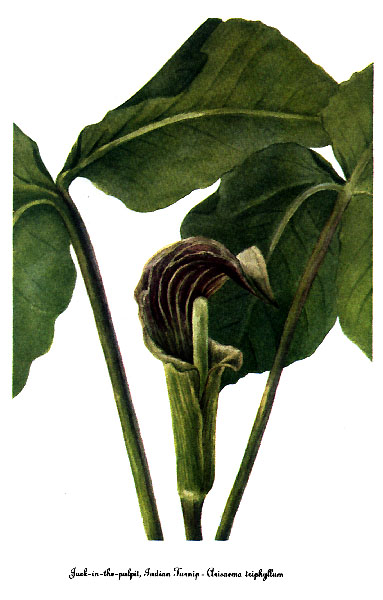
Jack-in-the-Pulpit — Mary Vaux Walcott, Smithsonian, 1925
Jack-in-the-Pulpit
Arisaema triphyllum
Walcott 1925 · DE Nature Society
Proprioception & cognitive load
1 PLOS ONE, 2024 — dual-task proprioception study (three key passages) "Proprioception is a sensorimotor sense that our body relies on for safe and purposeful movements. It operates largely below conscious awareness — until it fails. Deficits in proprioceptive acuity are associated with increased collision frequency, misjudged object distances, and force regulation errors during routine tasks." "Dual-tasking reduces motor performance through the slowing down of proprioceptive information processing. When cognitive demands are high, the brain allocates fewer resources to sensorimotor integration — resulting in measurably larger positional errors during functional reaching tasks." "The greater the attentional demands of a task, the poorer the proprioception accuracy of our movements. Isolated joint repositioning tasks may actually improve slightly under cognitive load due to increased neural drive — but complex functional movements like reaching and walking show significant worsening, with proprioceptive error increasing by ~1.0 cm under dual-task conditions." Why it matters: explains why symptoms worsen while cooking, hosting, or managing competing demands — the brain has limited bandwidth for sensorimotor integration, and daily stress consumes it. Simple reflexive movements hold up; complex functional ones break down.
Bayberry — Pierre-Joseph Redouté, Traité des arbres
Bayberry
Morella pensylvanica
Redouté, 1800–1819 · DE Inland Bays
Hereditary ataxia — clinical profiles
2 Neuromuscular Home Page — Alan Pestronk, Washington University Neuromuscular Disease Center (four key passages; continuously updated clinical reference, accessed June 2026) "SCA 4: Pure sensory ataxia with prominent sensory loss and areflexia. Later onset, typically over age 40. The primary pathology is in peripheral sensory neurons and the posterior spinal cord — not the cerebellum itself — which explains why brain MRI is often entirely normal in early and even mid-stage disease." Why it matters for this case: proprioceptive errors, onset after 40, peripheral nerve damage that doesn't image well — the pattern matches precisely. "SCA 2: Slow saccadic eye movements are a hallmark. Reduced or absent tendon reflexes. Significant polyneuropathy with sensory involvement. Of all common SCAs, SCA 2 is the most associated with reduced deep tendon reflexes and peripheral sensory neuropathy — making it a frequent finding in patients initially presenting as sensory ataxia." "Dominant SCA syndromes have many overlapping signs and symptoms, making them extremely difficult to distinguish on clinical grounds alone. Genetic panel testing is the only reliable method to differentiate between subtypes. Key distinguishing features — tendon reflex status, saccadic eye velocity, and sensory nerve involvement — must be systematically evaluated." "Anticipation in hereditary ataxia: with each successive generation, the number of pathological repeat expansions tends to grow. This produces earlier onset and a broader or more severe phenotype in younger generations — which is why a grandparent may report only mild 'balance issues' while a grandchild presents with frank ataxia and sensory neuropathy. Anticipation is more pronounced with paternal inheritance." Why it matters: directly explains why mother had "dizzy spells," son has "dizzy spells," and this presentation involves misjudging distance and pain from contact — three versions of potentially the same expanding gene across three generations.
Sweetbay Magnolia — Pierre-Joseph Redouté, Traité des arbres
Sweetbay Magnolia
Magnolia virginiana
Redouté, 1800–1819 · Longwood Gardens
The DNMT1 / ADCADN connection
3 MedlinePlus Genetics — NIH, ADCADN entry (reviewed 2017; accessed June 2026) "Mutations in the DNMT1 gene cause autosomal dominant cerebellar ataxia, deafness, and narcolepsy (ADCADN). The mutations affect a domain of the protein that targets it to replication forks — disrupting DNA methylation maintenance in neurons. The triad of sensorineural deafness, cerebellar ataxia, and narcolepsy/cataplexy unfolds progressively, often with deafness appearing first, years or decades before the neurological symptoms." Why it matters: pre-existing sensorineural deafness alongside new proprioceptive symptoms should prompt a clinician to ask whether the deafness is background — or the first sign of a three-part syndrome.
Brain imaging — MRI unavailable (cochlear implants); CT done
4 Neuromuscular Home Page — Alan Pestronk, Washington University (continuously updated; accessed June 2026) "A normal brain MRI does not rule out hereditary ataxia. In peripheral sensory types (SCA 4, SCA 25, SCA 38), the primary damage is in dorsal root ganglia and peripheral sensory nerves — structures that are not visible on standard brain MRI. Cerebellar atrophy may be absent for years or even decades into the disease course. A normal MRI early in the presentation of these subtypes is expected, not reassuring."
5 PMC / NIH — Incidental findings on MRI in audiovestibular patients, PMC2898762 (2010) "Incidental MRI findings were rare in this cohort of patients presenting with audiovestibular symptoms, and in most cases did not change clinical management. The majority had entirely normal brain MRI. This supports the clinical view that a normal brain MRI is the expected finding in peripheral vestibular and proprioceptive disorders — not evidence that symptoms are absent or psychosomatic." Why it matters: even in patients who can have MRI, brain imaging rarely changes management for this presentation. MRI isn't an option here due to cochlear implants — but the research supports that NCV, SSEP, and genetic testing are the right workup tools regardless.
Cochlear implants & balance
6 Rasmussen KMB et al. "Long-Term Vestibular Outcomes in Cochlear Implant Recipients." Frontiers in Neurology 2021. PMC8385200 / PMID 34456847 "A subgroup of cochlear implant recipients show progressive vestibular dysfunction that was not present at implantation and emerges over years of device use. The mechanism is not fully understood, but likely involves ongoing endolymphatic changes and central adaptation limits. This must be distinguished from a new neurological process — the two can coexist." Why it matters: worsening balance or spatial symptoms in a CI user should not be automatically attributed to the implant — a neurological cause can develop independently and simultaneously.
7 Weaver TS, Shayman CS, Hullar TE. "Interaction of Sensory Processing and Balance in Adult Cochlear Implant Users." Otology & Neurotology 2020. PMC7492476 / PMID 32658013 "Adult cochlear implant users rely more heavily on somatosensory and proprioceptive channels for postural stability than normal-hearing adults, because vestibular input is often compromised and auditory spatial cues are altered. This compensatory reliance on proprioception means that any degradation of proprioceptive function — from any cause — will have a disproportionate effect on balance in this population."
8 Han JH et al. "Characterization of Vestibular Phenotypes in Patients with Genetic Hearing Loss." Journal of Clinical Medicine 2024. PMC11018596 / PMID 38612142 "In families with autosomal dominant sensorineural hearing loss, vestibular function frequently declines in parallel with auditory function — but often at a slower rate and with less subjective awareness. Affected family members may report balance 'issues' rather than frank vertigo, reflecting a gradual peripheral vestibular loss rather than acute dysfunction." Why it matters: the family pattern of "dizzy spells" in mother and son may reflect inherited vestibular decline alongside the hearing gene — not random unrelated episodes.
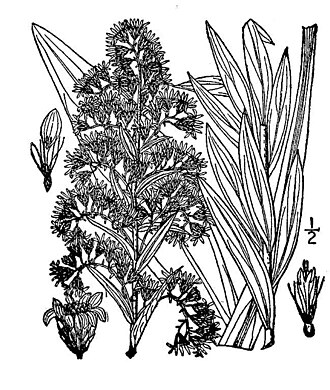
Seaside Goldenrod — Britton & Brown Illustrated Flora, 1913
Seaside Goldenrod
Solidago sempervirens
Britton & Brown 1913 · DE Inland Bays
Nutritional & treatable neuropathies
9 Kosticka N et al. "Clinical Presentation of Subacute Combined Degeneration in a Patient With Chronic B12 Deficiency." Federal Practitioner 2022. PMC9020475 / PMID 35464879 "B12 deficiency damages the posterior and lateral columns of the spinal cord — the exact pathways that carry proprioceptive signals from the limbs to the brain. Patients characteristically report loss of position sense, sensory ataxia, and collision-type errors (bumping into doorframes, misjudging steps) before frank weakness appears. Serum B12 can appear normal even when tissue deficiency is significant — methylmalonic acid and homocysteine are more sensitive markers." Why it matters: fully reversible if caught early. The most important thing to rule out before pursuing genetic testing.
10 Jaramillo JJ et al. "Copper deficiency myelopathy: a report of two cases." BMJ Case Reports 2013. PMC3645063 / PMID 23605834 "Copper deficiency produces a myelopathy clinically indistinguishable from B12 deficiency subacute combined degeneration, with posterior column dysfunction causing proprioceptive loss, sensory ataxia, and spastic gait. It is frequently overlooked because serum copper may appear borderline normal even with significant deficiency, and because clinicians first pursue B12 rather than copper. A concurrent ceruloplasmin level increases diagnostic sensitivity."
Diagnostic tools — NCV & SSEP
11 Fustes OJH et al. "Somatosensory evoked potentials in clinical practice: a review." Arquivos de Neuro-Psiquiatria 2021. PMID 33909772 "Somatosensory evoked potentials (SSEPs) measure the integrity of the sensory pathway from peripheral nerve through spinal cord to cortex. An abnormal SSEP localizes dysfunction to the peripheral nerve or spinal cord — not the brain — and is particularly useful in distinguishing sensory ataxia (peripheral) from cerebellar ataxia (central). SSEPs are the most direct non-invasive measure of posterior column function."
12 Chhetri SK, Gow D, Shaunak S, Varma A. "Clinical assessment of the sensory ataxias; diagnostic algorithm with illustrative cases." Practical Neurology 2014;14(4):242–251. PMID 24389644 "The key diagnostic distinction in ataxia workup is central versus peripheral involvement. Central ataxia (cerebellar) shows normal nerve conduction but abnormal cerebellum on imaging. Peripheral sensory ataxia shows abnormal nerve conduction velocities — particularly reduced or absent sensory nerve action potentials. This distinction, testable with NCV and SSEP, determines the entire direction of genetic testing." Why it matters: NCV is the pivotal first test — its result tells the neurologist which genetic panel to order, and it is available even when MRI is not.
Medical terms used in this app
  • Proprioception — the body's sense of where it is in space, independent of sight. Sensors in muscles, joints, and tendons send position signals to the brain. When proprioception is off, movements land wrong: a hand overshoots, a shoulder catches a doorframe, a step misjudges the ground.
  • Ataxia — loss of coordinated movement, not caused by muscle weakness. The signal to move is sent correctly; it just lands in the wrong place or with the wrong force. There are many causes, some inherited, some treatable.
  • Spinocerebellar ataxia (SCA) — a family of over 40 inherited conditions. Some affect the cerebellum (the brain's coordination center); others, like SCA 4 and SCA 25, damage peripheral sensory nerves first and produce coordination problems as a downstream effect.
  • Sensory ataxia — coordination difficulty caused by faulty position signals from peripheral nerves, not from the cerebellum. The cerebellum may be completely intact. NCV is the key diagnostic test.
  • Cerebellar ataxia — coordination difficulty originating in the cerebellum itself. Usually visible on MRI over time. Different cause from sensory ataxia, though the surface presentation can overlap.
  • Peripheral nerve — any nerve outside the brain and spinal cord. Peripheral sensory nerves carry position, touch, and vibration signals from the limbs to the spinal cord and onward to the brain.
  • Dorsal root ganglia — clusters of sensory nerve cell bodies just outside the spinal cord, where signals from peripheral nerves enter the central nervous system. In SCA 4 and related types, damage often starts here.
  • Posterior column — the part of the spinal cord that carries position-sense and vibration signals upward to the brain. B12 and copper deficiency both damage this pathway specifically.
  • Myelopathy — damage to the spinal cord. Nutritional myelopathies (B12, copper) are treatable if caught early; genetic ones are managed differently.
  • Autosomal dominant — an inheritance pattern where one copy of a mutated gene is enough to cause the condition. Each child of an affected parent has a 50% chance of inheriting it, regardless of sex.
  • Anticipation — in some inherited conditions, the mutated DNA segment grows longer with each generation. Longer segments tend to cause earlier onset or different-looking symptoms in younger generations — which is why the same gene can look like mild "balance trouble" in one generation and more pronounced symptoms in the next.
  • NCV — nerve conduction velocity — a test that measures how fast electrical signals travel along nerves. Slow or absent signals in sensory nerves indicate peripheral nerve damage. The pivotal early test for distinguishing sensory ataxia from cerebellar ataxia.
  • EMG — electromyography — usually done alongside NCV. Measures electrical activity in muscles to distinguish nerve-origin problems from muscle-origin problems.
  • SSEP — somatosensory evoked potentials — measures the full sensory pathway from peripheral nerve through spinal cord to brain cortex. Localizes where in the pathway something is disrupted. Especially useful when MRI is unavailable.
  • Methylmalonic acid (MMA) and homocysteine — blood markers that detect B12 deficiency even when the B12 level itself appears normal. More sensitive than serum B12 alone.
  • Ceruloplasmin — a protein that carries copper in the blood. Tested alongside serum copper; copper deficiency causes a spinal cord condition nearly identical to B12 deficiency and is frequently missed.
  • Areflexia — absent or very reduced tendon reflexes (knee-jerk, ankle-jerk). Common in SCA 4 and SCA 2, where peripheral nerve damage disrupts the reflex arc.
  • Saccadic eye movements — the rapid, directed jumps the eyes make when shifting gaze. Abnormally slow saccades are a hallmark of SCA 2, checked during a standard neurological exam.
  • DNMT1 — a gene involved in maintaining DNA methylation patterns in neurons. Mutations cause ADCADN.
  • ADCADN — autosomal dominant cerebellar ataxia, deafness, and narcolepsy. A rare syndrome where sensorineural deafness typically appears years or decades before the ataxia symptoms.
  • CAG repeat — a repeating DNA sequence found in several SCA genes. Longer repeat counts correlate with earlier onset and more severe presentation (anticipation).
  • Multigene panel — a genetic test that screens many genes simultaneously. Hereditary ataxia panels typically screen 40–100+ known SCA genes from a single blood draw, ordered by a neurologist or genetic counselor.
Plants in this app — a botanical index

All illustrations are public domain — pre-1928 publications or U.S. government works. Plants are native or naturalized to Delaware and the mid-Atlantic coast, chosen for the coastal wetland, forest edge, and sandy soil habitats of Sussex County.

  • Bayberry Morella pensylvanica — a coastal shrub common on Delaware's barrier beaches and dune edges. Aromatic grey berries. Redouté illustration.
  • Black-eyed Susan Rudbeckia hirta — a meadow and roadside wildflower throughout Delaware. Classic summer bloom. Walcott illustration.
  • Bloodroot Sanguinaria canadensis — early spring ephemeral of Delaware's forest floors. Brilliant white flower, striking red sap. Curtis illustration.
  • Butterfly Weed Asclepias tuberosa — a native milkweed of sandy, dry soils. Monarch butterfly host plant. Bigelow illustration.
  • Cardinal Flower Lobelia cardinalis — a tall wetland plant found along Delaware's streams and freshwater edges. Brilliant red. Curtis illustration.
  • Creeping Jenny Lysimachia nummularia — a low trailing plant of damp meadows and stream banks. Sepp illustration.
  • Jack-in-the-Pulpit Arisaema triphyllum — a woodland understory plant of moist Delaware forests. Distinctive hooded spathe. Walcott illustration.
  • Joe-Pye Weed Eutrochium purpureum — a tall late-summer wildflower of moist roadsides and stream edges throughout Delaware. Important for pollinators. Walcott illustration.
  • Loblolly Pine Pinus taeda — the dominant pine of Delaware's coastal plain forests. The scent of Sussex County. Michaux illustration.
  • Mountain Laurel Kalmia latifolia — Delaware's state flower. Blooms in late spring in forest understory. Walcott illustration.
  • Partridge Pea Chamaecrista fasciculata — a legume of sandy soils and disturbed edges. Common in coastal Delaware. Walcott illustration.
  • Pawpaw Asimina triloba — Delaware's only native tropical-family tree. Found in rich bottomland forest. Unusual purple flower, edible fruit.
  • American Persimmon Diospyros virginiana — a native tree of forest edges and roadsides throughout Delaware. Fall fruit eaten by wildlife. Britton & Brown illustration.
  • Purple Coneflower Echinacea purpurea — a prairie and meadow wildflower, widely naturalized in Delaware. Long summer bloom. Curtis illustration.
  • Sassafras Sassafras albidum — a small tree of Delaware's sandy forest edges. Three distinct leaf shapes on the same tree. Aromatic bark. Walcott illustration.
  • Seaside Goldenrod Solidago sempervirens — a late-summer coastal wildflower along Delaware's dunes, roadsides, and salt marshes. One of the last things blooming in fall. Britton & Brown illustration.
  • Spicebush Lindera benzoin — an early-blooming shrub of Delaware's moist woodland understory. Spice-scented leaves and twigs. Britton & Brown illustration.
  • Swamp Rose Mallow Hibiscus moscheutos — a large, dramatic wildflower of Delaware's tidal marshes and freshwater wetlands. Blooms midsummer. Walcott illustration.
  • Trumpet Vine Campsis radicans — a vigorous native climber found on fences and tree edges throughout Delaware. Hummingbird magnet. Walcott illustration.
  • Virginia Bluebells Mertensia virginica — a spring ephemeral of Delaware's floodplain forests. Pale blue-purple bell flowers, gone by June. Curtis illustration.
  • Wild Bergamot Monarda fistulosa — a native mint-family wildflower of dry meadows and roadsides. Lavender bloom, strongly aromatic. Curtis illustration.
  • Wild Blue Indigo Baptisia australis — a prairie legume naturalized in Delaware meadows and roadsides. Deep blue flower spikes. Curtis illustration.
  • Wild Columbine Aquilegia canadensis — a woodland wildflower of Delaware's rocky slopes and forest edges. Red and yellow nodding flowers. Sprague illustration.
  • Sweetbay Magnolia Magnolia virginiana — a native magnolia of Delaware's coastal plain wetlands and swamp edges. Semi-evergreen, fragrant white flowers. Redouté illustration.
Scratchpad

Notes and highlights are saved to this device only. Email them to yourself for a backup.

Saved sections

Tap the + Save button inside any section to clip it here.

Highlighted passages

Select any text in the other tabs — a Highlight button will appear.

Add to home screen
iPhone / iPad (Safari) Tap the Share button Add to Home Screen → Add. Opens as a full-screen app with your notes and highlights saved.
Android (Chrome) Tap the menu ⋮ → Add to Home Screen or Install app.
My medical timeline

Add events in any order — dates you remember, approximate or exact. This stays on your device. You decide what, if anything, gets shared with the research tools.